Living by the sea brings unique challenges and opportunities for sustainable living. After years of coastal living and adapting our home to be more eco-friendly, I’m sharing our tried-and-tested approaches that work specifically for seaside properties. Start by doing a sustainable living audit of your home and seeing where you can make improvements.
Tackling Coastal Waste For Sustainable Living
Living near the beach has made me acutely aware of plastic pollution. Living by the sea you can implement a ‘beach clean’ routine. During your morning walks, carry a small bag for collecting any litter you find. But prevention is better than cure – we’ve switched to reusable water bottles, coffee cups, and shopping bags that can withstand sand and salt air. It is good to sea local companies to a beach have also switched to more sustainable packaging.

Smart Heating and Cooling Your Seaside Home
Coastal homes face unique challenges with heating and cooling. In the winter homes can be bitterly cold! You can install thermal blinds to help manage temperature fluctuations. While draft excluders specifically designed for salt air conditions make a noticeable difference. Solar panels can be particularly effective by the sea because the reflective quality of the sea actually helps maximize their efficiency.
Strategic window opening during sea breezes provides natural cooling in summer, while thermal curtains retain heat in winter. Smart thermostats help manage energy use based on weather conditions and humidity levels
Water Conservation With A Coastal Twist
Living by the sea doesn’t mean unlimited water access. You can install a rainwater harvesting system for garden irrigation. This is particularly useful for washing salt spray off plants. Your water-efficient appliances can pay for themselves through reduced bills. And rainwater that you have collected is great for cleaning outdoor furniture and equipment. even in the winter.
Sustainable Living Gardens By The Sea
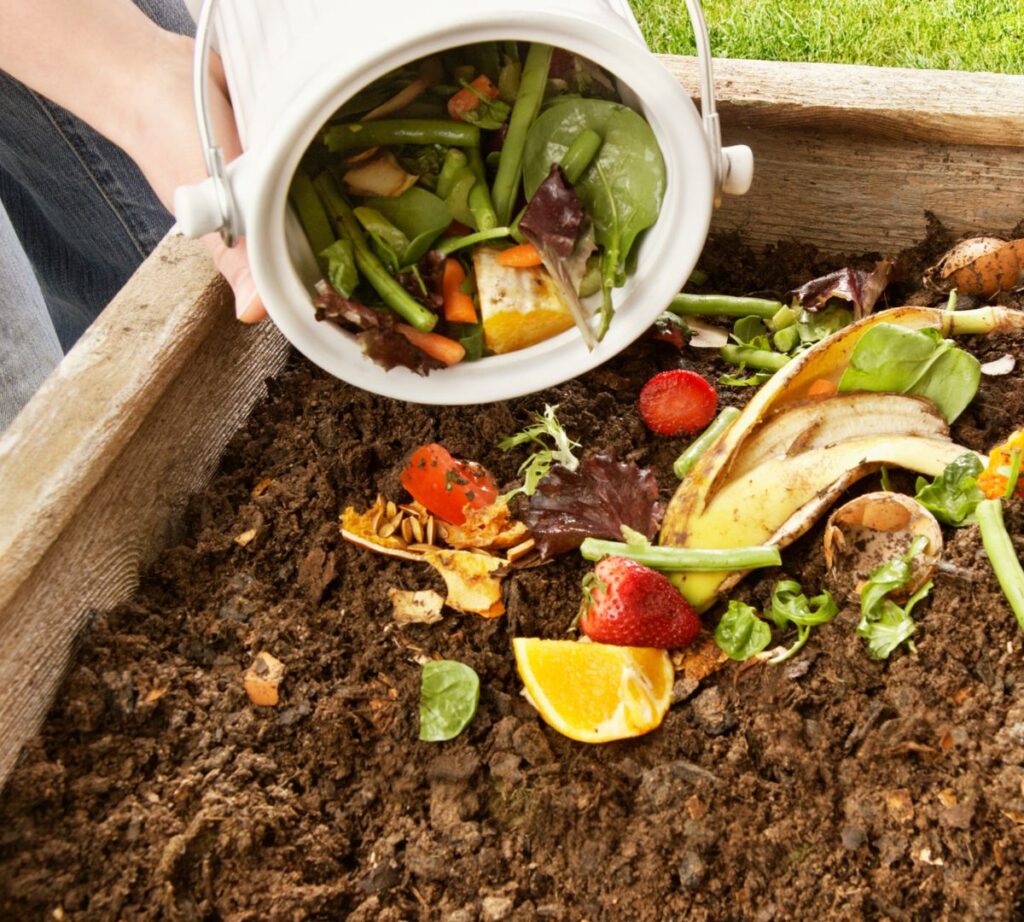
Creating a sustainable coastal garden requires careful planning. You can establish a thriving vegetable patch using raised beds to control soil quality. Salt-resistant herbs like rosemary and thyme flourish in a seaside garden. Providing fresh ingredients while requiring minimal water. Composting will become second nature in a seaside home. Although, you will want to use a sealed system to prevent seagull interference!
Natural Cleaning Solutions For Sustainable Living
Sea air can mean more frequent cleaning, but you can switch to environmentally friendly alternatives. Vinegar and baking soda work wonders on salt-affected windows, while citrus-based cleaners effectively tackle maritime grime without harsh chemicals.
Reducing Single-Use Plastics
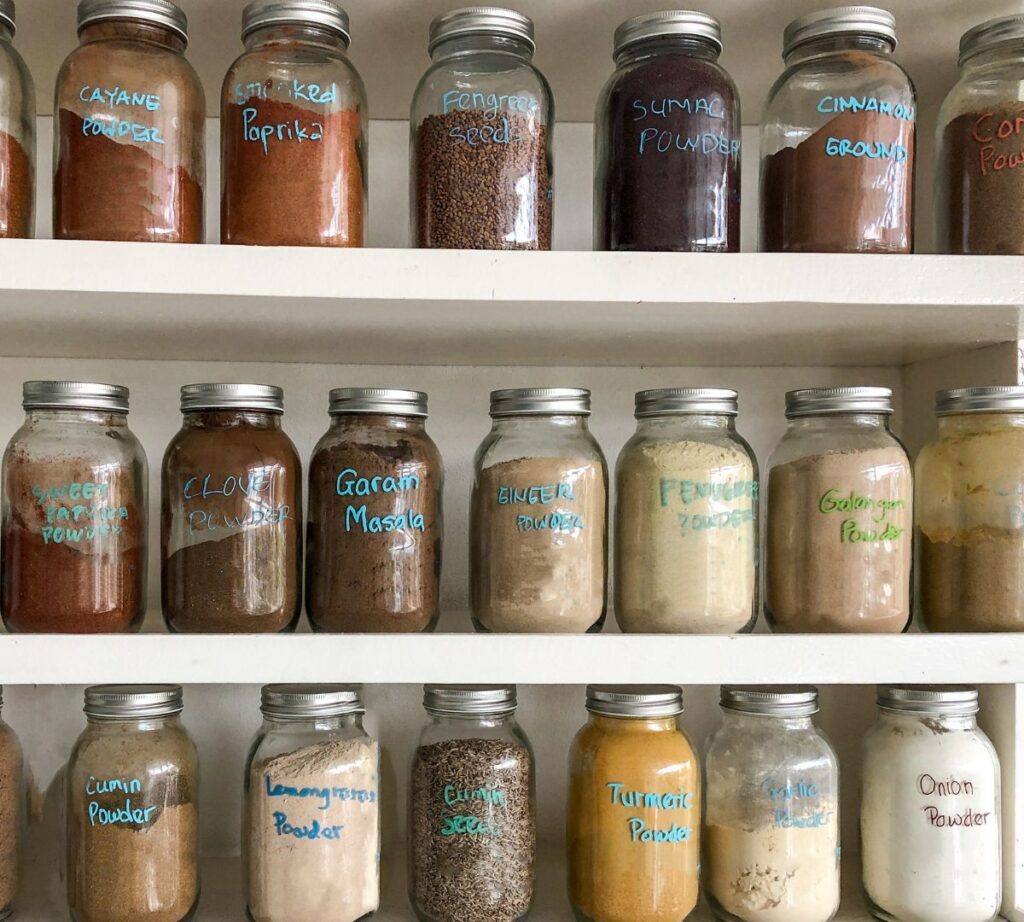
Coastal living has made us particularly conscious of plastic use. In your kitchen you could use glass storage containers instead of plastic ones. These are great if you buy refill products from shops to avoid plastic. You can get refillable dispensers for cleaning products, everyday staples and even shampoos and conditioners. Instead of clingfilm, you can use beeswax cloths, they are washable and easy to use. Lastly, when you buy local produce, get it in a mesh bag, instead of a plastic bag.
Local Sourcing and Seasonal Eating
Supporting local fishermen and farmers’ markets reduces food miles significantly. you can create a seasonal eating calendar based on local availability. Get yourself a small greenhouse that will extend your growing season for herbs and salad leaves. Try baking at home instead of buying food from the local supermarket that is full of plastic packaging.
Get Some Energy-Efficient Lighting
With shorter winter days, lighting is crucial. You can switch entirely to LED bulbs and installed motion sensors for outdoor lighting. LED bulbs are cheaper to run and don’t use so much electric as normal light bulbs. Solar-powered garden lights take advantage of our coastal position, providing beautiful evening illumination without electricity costs.
Community Involvement
Sustainable living extends beyond your home. You can join local beach cleaning initiatives or start a neighbourhood composting scheme. Sharing resources and knowledge within the coastal community can make sustainable living more achievable for everyone. You will learn about new things that you never thought of trying before. You can also share your tips with others.
The Impact of Small Changes Over the past year, these changes have reduced our energy bills by 30% and our water usage by 25%. More importantly, we’ve seen a noticeable reduction in our household waste and plastic consumption.