

Keeping a clutter-free home can often feel like an uphill battle, especially when everyone’s busy. Keeping the place tidy and organised, though, can make such a difference to your life, from improved mental health and wellbeing, to productivity, creativity and general overall life quality. It’s well worth the effort, even if you have to do a bit of nagging at first. Here are some of the best ways to keep on top of clutter.
Embrace Minimalism For A Clutter-Free Home
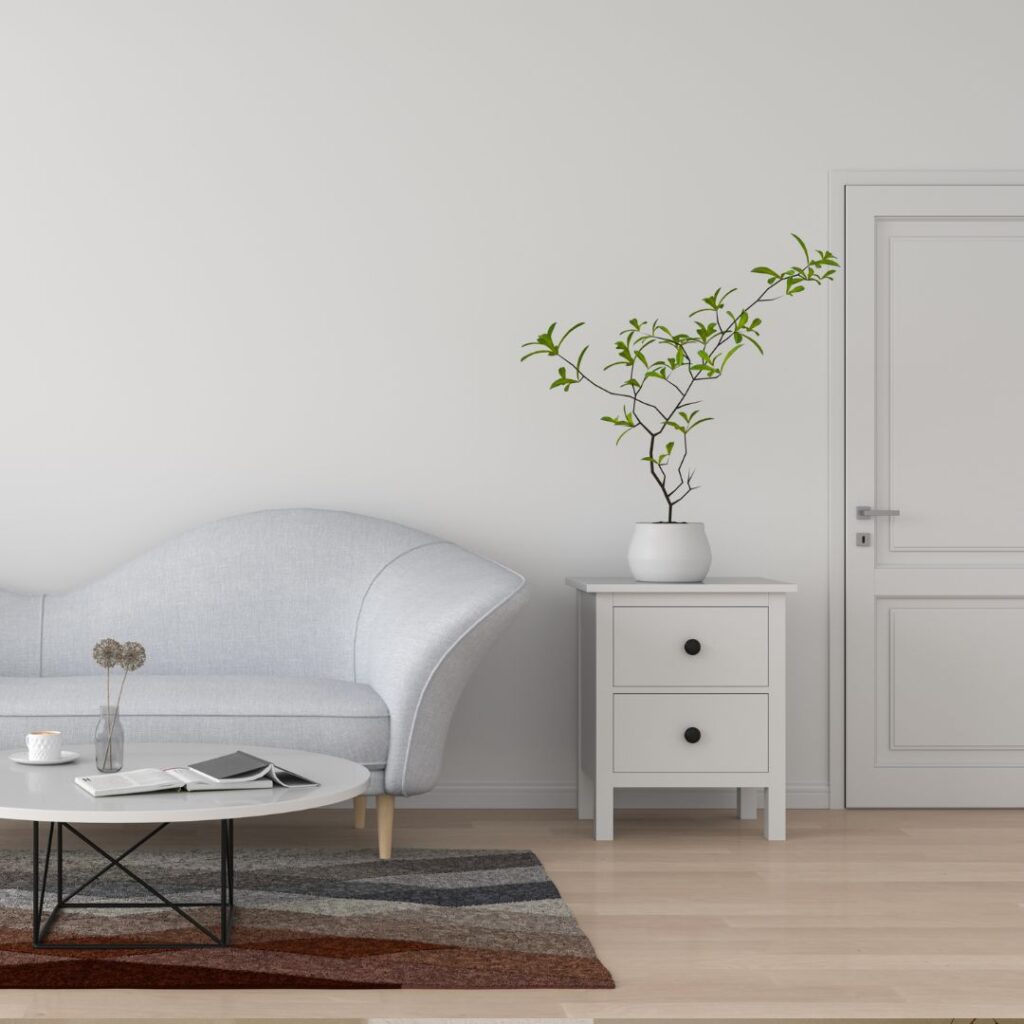
The first step is having a general declutter and tidy up. It’s much easier once you have a clean slate, and that’s easier to achieve if you have fewer items lying around. Go through each room and sort your belongings into three categories: keep, store, and discard. Be honest with yourself about what you really need and use so you can live a little more minimalist.
It doesn’t mean stripping your home bare, but rather only having around the things that are useful, valuable to you (in money or feelings) or decorative and pleasing. In other words, things that add value.
Create A Routine
As just mentioned, it’s easier to keep somewhere clean and tidy once you get it that way to start with. Having daily tidy-up habits help you to keep on top of what you worked so hard to achieve. It needn’t take more than 10-15 minutes each day. Simple things like making beds every morning, putting away clothes, and cleaning up any messes before they get out of hand – such as cleaning the bath/shower every time it’s used.
On top of the quick, daily tasks, make a date for a more thorough clean once a week. During this time, you’ll vacuum, do the laundry, clean windows, mop the floors… any or all of the tasks that take a bit longer. That’s not to say you have to do them all on the same day.

Sort Out Your Storage For A Clutter-Free Home
Make sure you’re using your available storage space to the max. Maybe you could install more shelving to make better use of vertical spaces, hang extra rails in wardrobes, put over-door hangers in the bedrooms, use under-shelf baskets in kitchen cabinets. There are lots of ways to squeeze in extra storage to help keep spaces neat and organised.
If it would help, swap out some standard furnishings for items with storage built in, such as divan beds, ottomans, or occasional tables with drawers or shelves.
Implement the One-In-One-Out Rule
It sounds easy, but it’s actually not. The idea is that for every new thing you bring home, an old thing has to go so you maintain the status quo and don’t overwhelm your space again. There are lots of instances where it doesn’t work (like when you’re adding to an existing collection), but also scenarios where it does. For instance, when you’re replacing a broken item, remember to throw out the old one.
Use Self-Storage Solutions
Renting a self storage locker or even a whole unit can be a game changer. Use it for items that you don’t need on a daily basis, seasonal decorations, sports equipment, and bulky items like camping gear that are hard to find room for at home. Storage rooms are also great when you’re renovating or redecorating. You can store furniture and other things temporarily to keep them safe from damage while making space to work at the same time. Another use is for those sentimental items that you can’t part with but don’t have space for. You can keep these treasures safe without cluttering your living space.

Regularly Reassess
At least once a season, go through your belongings and reassess what you have. This is a great time to switch out seasonal clothing and equipment such as garden furnishings or sports gear. Put the out of season stuff into self storage so there’s plenty of room for the in-season stuff you’re using right now. Once a year, do a more complete purge. Good times of year for this are when you’re spring cleaning, or as we’re moving into a new year.
Involve The Whole Family To Create A Clutter-Free Home
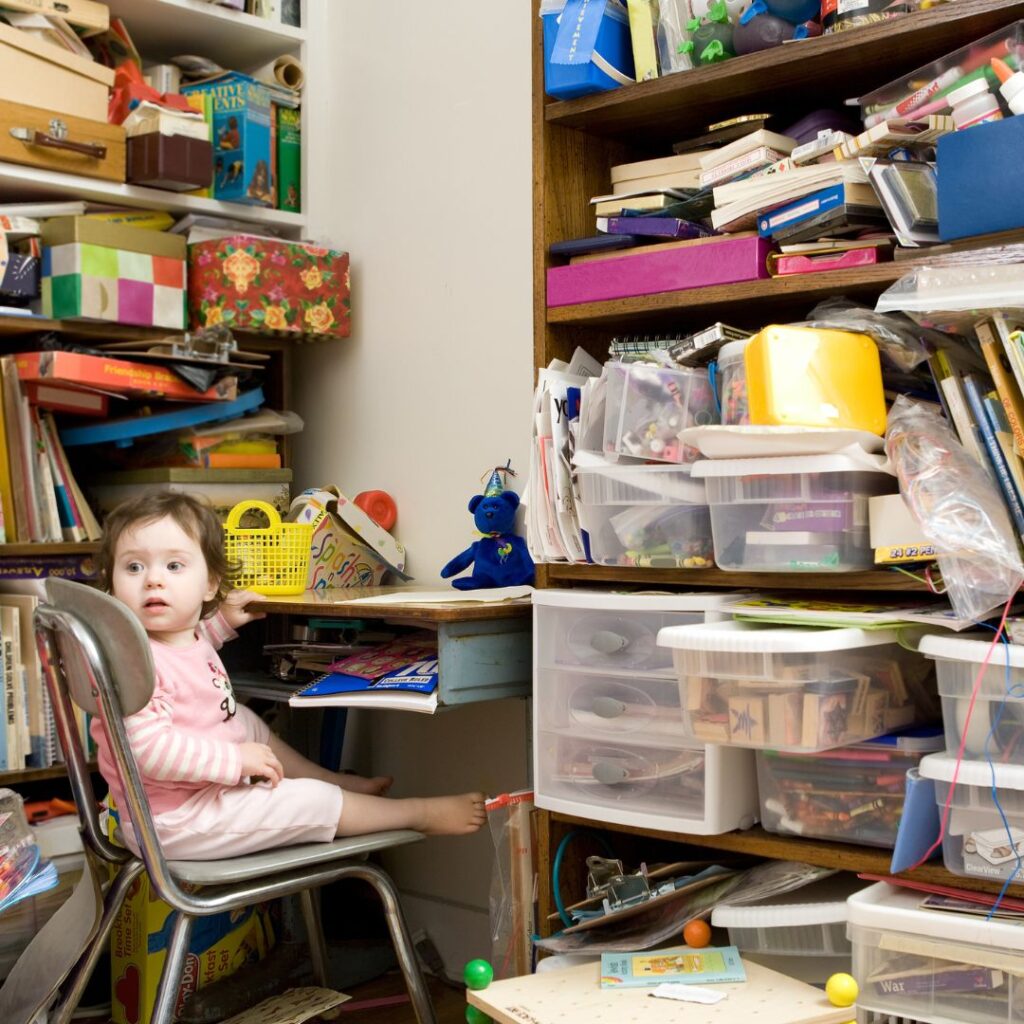
Even when you live alone, it’s easy to let the place get into a muddle. When it comes to families, the muddle-making potential is huge. Try and spread the load across all the household members, assigning tasks if volunteers are short. It’s hard to make new habits or change old ways, but keeping a home clutter-free should be a team effort. When kids are involved, you’ll be teaching them organisational skills when they regularly go through their belongings and sort them out.
The end goal isn’t about perfection or making everyone feel scared to relax and make a mess, but to have a routine and system so the muddles of life get sorted out when they happen.
